
AI Agents vs AI Chatbots: What’s the Real Difference?


Artificial intelligence is changing quickly, and two terms you hear everywhere are AI chatbots and AI agents. They may sound similar, but they are built to do different things. A chatbot mainly talks with you and provides information, while an AI agent can take a goal, decide what needs to be done, use tools, and complete multiple steps with less human involvement.
What Is an AI Chatbot?
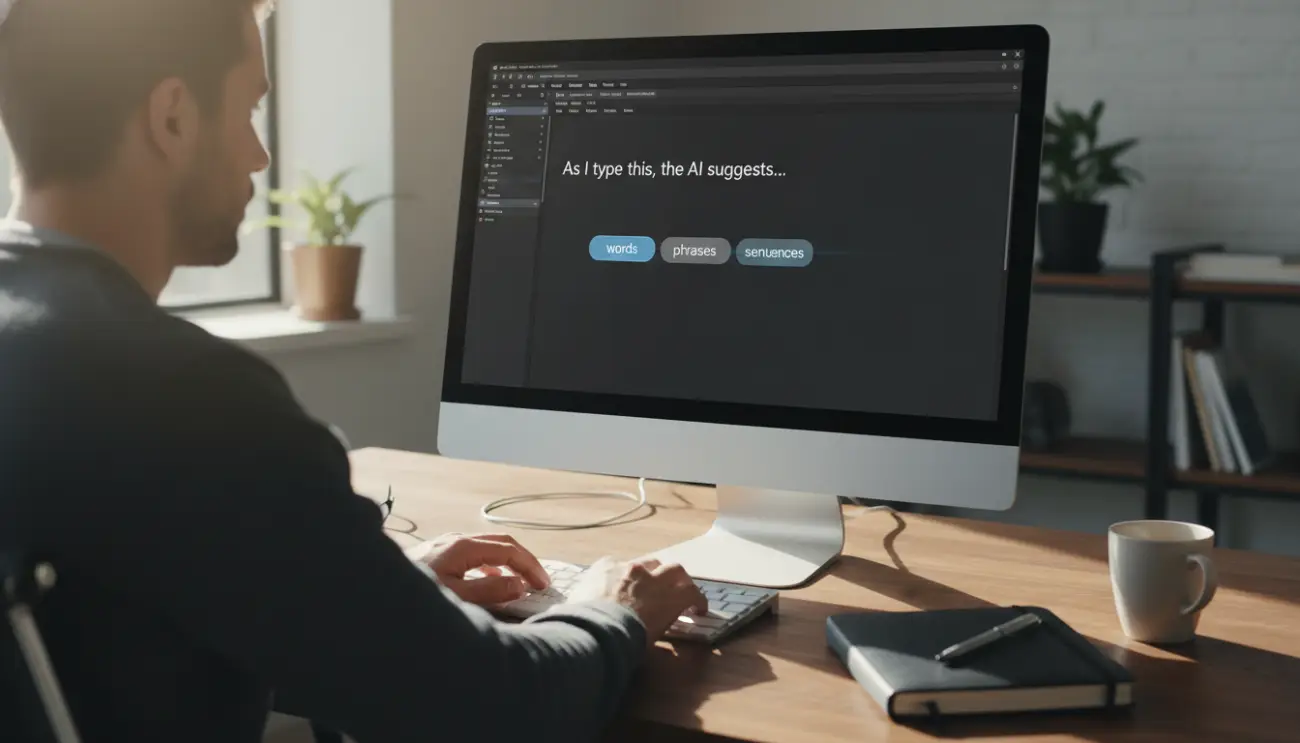
An AI chatbot is designed primarily for conversation. You ask a question, provide an instruction, or describe a problem, and the chatbot generates a response. Modern chatbots can do much more than answer basic customer-service questions. They can write content, summarize documents, explain difficult topics, brainstorm ideas, translate languages, and help with research.
The important point is that the human usually controls the workflow. You ask the chatbot what you need, review its answer, and decide what happens next. Think of a chatbot as an intelligent assistant sitting beside you: it can provide advice and information quickly, but you remain responsible for directing the work.
What Is an AI Agent?
An AI agent goes a step further. Instead of simply answering a question, an agent is designed to achieve a specific goal. It can break a task into smaller steps, select tools, examine results, and adjust its approach when necessary.
For example, imagine asking an AI, “Find the best flight for my trip.” A chatbot might provide flight suggestions. An agent could potentially search available flights, compare prices and schedules, check your preferences, and prepare the best options for you.
The major difference is action. Chatbots primarily help you understand or create information, while agents can potentially interact with external systems and perform authorized tasks.
AI Agents vs AI Chatbots: Key Differences
| Feature | AI Chatbot | AI Agent |
|---|---|---|
| Main purpose | Conversation | Completing goals |
| Autonomy | Usually limited | Higher |
| Tool usage | Sometimes | Often |
| Workflow | Mostly user-directed | Can be AI-directed |
| Best for | Questions and assistance | Multi-step tasks and automation |
| Risk | Generally lower | Higher because it can take actions |
When Should You Use a Chatbot?
A chatbot is usually the better choice when you need quick answers, writing assistance, explanations, brainstorming, or customer support. If a human still needs to make the final decisions and perform the next steps, there may be little reason to introduce an autonomous agent.
For example, a company could use a chatbot to answer questions about return policies, help employees find information, or create marketing content. These tasks are relatively straightforward and benefit from fast conversation.
When Should You Use an AI Agent?
An AI agent becomes more useful when a task involves multiple steps, external tools, changing information, and repeated decision-making. Businesses could use agents for customer-service workflows, research, sales operations, software development, scheduling, data analysis, and other repetitive processes.
However, more autonomy also means more responsibility. Agents need appropriate permissions, security controls, monitoring, and human approval for sensitive actions.
The Bottom Line
The simplest way to remember the difference is this: a chatbot talks, while an AI agent acts.
Chatbots are excellent when you need information or assistance. AI agents are more powerful when you want software to pursue a goal and complete a workflow. In the future, these technologies will increasingly work together, with a chatbot providing the conversational interface while AI agents perform tasks behind the scenes.
The best choice isn’t necessarily the technology with the most features. It’s the one that solves your problem reliably, safely, and efficiently.